
If you manage multilingual content at scale, you’ve probably tested machine translation post editing and come away with mixed feelings. The speed looks great on paper, but quality swings from “good enough” to “risk to the brand” with almost no warning.
This article walks through when MTPE actually makes sense for large-scale translation, when you should insist on full human translation instead, and how teams in the USA, UK, Middle East and Europe can put some structure around those decisions.
What Machine Translation Post Editing Really Looks Like In Practice
On a real project, post editing machine translation isn’t just “run text through MT and let a linguist tidy it up”. It’s a workflow decision that affects tools, budgets, deadlines and who you can safely assign to the job.
At its core, MTPE means an engine does the first pass, then a human translator edits for accuracy, style and terminology. The balance between “machine output” and “human post editing” is where things can go very right or very wrong.
For large batches of similar content – FAQs, product descriptions, user reviews – this can save a lot of translator hours. For nuanced material – legal disclaimers, clinical content, high-stakes marketing – forcing everything through MT often costs time because editors are fighting bad output instead of translating cleanly from scratch.
When MTPE Works For Large-Scale Translation
MTPE services usually pay off when three conditions line up: predictable content, manageable risk and enough volume to justify setup effort. If you’re translating a long series of similar support articles, knowledge base entries or UI strings, the engine can learn patterns fast.
In these cases, pairing MT with a strong translation memory strategy and clear style guides gives editors a solid base. They spend more time correcting nuance and terminology, less time rewriting whole paragraphs.
Teams rolling out apps or platforms across several markets also use MTPE to pre-translate low-risk content before localization QA. That way, testers focus on layout issues, broken strings and context checks rather than acting as emergency translators.
When You Should Not Use MTPE
There are clear red lines where machine translation services should take a back seat to full human translation. If a mistranslation could trigger legal exposure, clinical confusion or safety issues, don’t run that content through MT first.
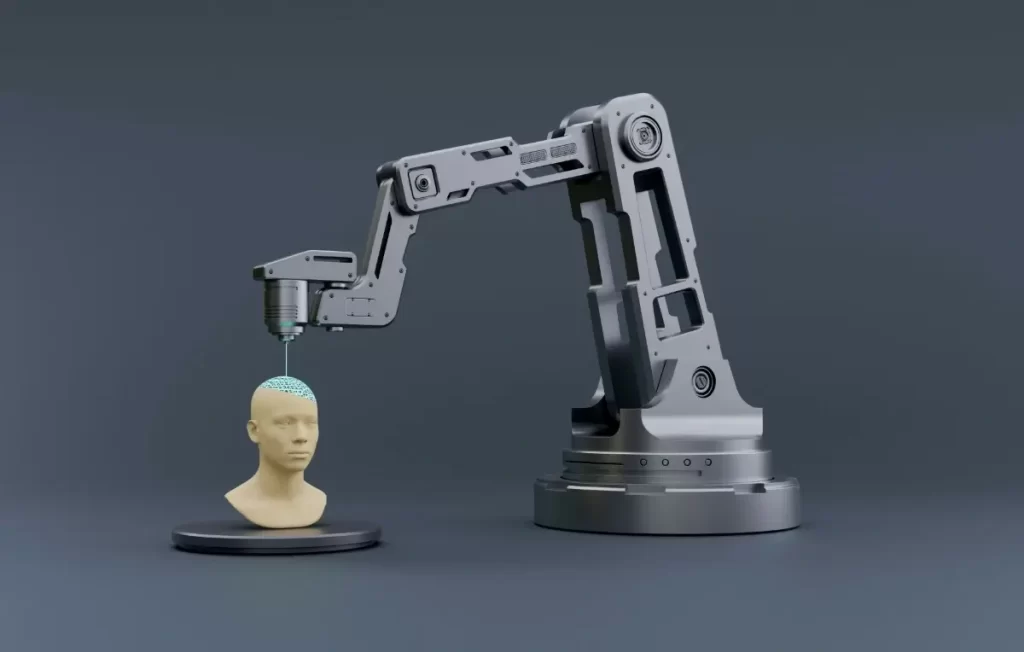
Machine translation delivers speed and scalability, while human post-editing ensures linguistic accuracy, cultural relevance, and natural-sounding communication.
Regulatory material, informed consent forms, contracts, complex financial disclosures and medical records all fall into that category. For these, specialist human linguists need to work directly from the source text, often with subject matter experts involved.
High-impact brand copy is another area where MTPE usually disappoints. If you’re investing in a global campaign, you’re better off using dedicated marketing translation services or transcreation instead of spending money trying to “fix” machine output that was never designed to persuade.
Light MTPE Vs Full MTPE: Choose The Right Level
Not every project needs the same intensity of editing. Most providers draw a line between light and full machine translation post editing, and that choice has more impact on outcome than the engine you pick.
Light MTPE focuses on making the text understandable and removing obvious errors. Style, tone and minor terminology issues are accepted as long as they don’t confuse the reader. This is common for internal documentation, tickets or content that will be read briefly and never published externally.
Full MTPE, in contrast, brings the text close to professional translation quality. Editors rewrite awkward sentences, enforce glossaries and polish flow. You’d use this for customer-facing knowledge bases, mid-level marketing content or user guides, where translation automation still saves time but the end user experience matters.
How To Scope Machine Translation Post Editing Properly
Before you send a single file, define the quality target in concrete terms. What can be slightly off, and what absolutely cannot be wrong? This isn’t a formality – it tells linguists how far they should go in reshaping the MT output.
Next, segment content types. The same project can mix full MTPE for product pages, light MTPE for internal FAQs and human-only translation for legal terms. Clear scoping stops editors wastefully over-editing low-risk text while under-editing sensitive content.
What “Good Enough” MT Output Looks Like
Machine translation quality varies wildly between language pairs and domains. Before committing budget, you need to see sample output against your real content – not generic demos.
Ask for a pilot where a small batch of your texts runs through the chosen engine, then through human post editing. Compare how much the editor changed and where they had to rewrite entire sections. If more than half the sentences need heavy changes, that content may still be cheaper to translate directly.
Some sectors respond better to MT than others. Technical manuals, certain software UI strings and straightforward product catalogues are often good candidates, especially when supported by technical translation services that can maintain domain-specific glossaries.
Signals That MTPE Will Fail You
There are a few early warnings. If the engine routinely mistranslates key terms even after training, expect quality fires at scale. If editors complain they’re spending more time fighting the MT than translating, believe them and adjust the workflow.
Another signal is stakeholder feedback. If regional teams in the USA, UK, Middle East or Europe repeatedly reject MTPE content as “off brand” or “awkward”, the hidden cost of rework might already exceed any savings the automation promised.
How To Integrate MTPE Into Your Translation Stack
Once you’ve decided where MTPE belongs, it has to sit cleanly alongside your professional translation process. Treat it as one of several routes, not a default funnel that all content must go through.
Start by mapping your content types against risk and volume. Internal comms, low-stakes support content and repetitive descriptions usually go to MTPE. High-risk and high-value content goes straight to human experts, using core professional translation services instead.
You also need feedback loops. Editors should be able to flag content types that don’t work with MT, and those flags should actually change routing rules. Without that, you’ll keep sending the wrong material into the wrong process.
MTPE, Editing And Proofreading: Who Does What?
MTPE often overlaps with standard editing and proofreading, but they’re not the same thing. In MTPE, editors fix both meaning and form because the base text comes from an engine, not a human.
Classic editing services usually start from human-written text, tightening structure, style and clarity. Proofreading, in turn, comes last and focuses on catching surface errors without touching meaning.
On complex projects, you might still schedule a final proofreading pass on top of full MTPE for customer-facing material, especially in regulated industries.
How To Choose The Right Partner For MTPE
Choosing a vendor for AI translation services isn’t only about the engine. It’s about the human layer around it: linguists, project managers and the processes they use to control quality.
Look for teams that can explain where MTPE fits and where they’ll refuse to use it. If a provider claims machine output plus a quick glance can replace professional translation for anything sensitive, that’s a red flag.
A good partner will talk about domain expertise, glossary management, translation memory and clear quality tiers for different content types. They’ll also be honest when a human-only workflow is the smarter long-term choice.
Questions To Ask Before You Commit To MTPE
Ask how they evaluate new engines, how often they retest output, and how they measure post-editor effort. Concrete metrics, not vague promises, matter here.
Then ask what happens when MTPE isn’t working. Do they have a straightforward path to move a content stream back to human translation, or will your team be stuck in a workflow that no longer fits?
Conclusion
Machine translation post editing can be a powerful part of your toolkit for large-scale translation, as long as you’re selective about where you use it and honest about its limits across the USA, UK, Middle East and Europe. The right mix of MT, human translation and clear routing rules will protect quality while keeping timelines realistic.
If you need help working out that mix for your own content, PSP Languages can review your content types, risk levels and volumes and advise where MTPE belongs – and where it doesn’t.
Frequently Asked Questions
Q1. What is machine translation post editing in simple terms?
Ans: Machine translation post editing means using an MT engine for the first draft, then having a professional linguist correct accuracy, style and terminology. It’s a hybrid between automatic output and professional translation that can work well for high-volume, lower-risk content.
Q2. How do I know if MTPE is right for my business content?
Ans: Start with a small pilot on real material, not samples written for demos. Compare how much your editors need to change, and whether the final result meets your standards for machine translation quality. If they’re rewriting large sections, that content probably needs human translation from the start.
Q3. Can MTPE replace human translation for legal or medical documents?
Ans: For legal, medical and other safety-critical texts, full human translation is still the safest option. MTPE services can support surrounding content like FAQs or patient portals, but contracts, consent forms and clinical documentation are better handled by specialist translators from scratch.
Q4. How is MTPE priced compared with traditional translation?
Ans: Pricing structures vary, but MTPE is usually quoted based on the same word counts as professional translation, with rates linked to the expected editing effort. Light MTPE may cost less, while full MTPE that aims for publication-ready quality often sits closer to standard human rates.
Q5. Does MTPE work for audiences in the USA, UK, Middle East and Europe?
Ans: Yes, but only if editors understand local usage, formality levels and subject matter. Post editing machine translation for these regions needs linguists who can handle regional differences in English and other languages, not just generic MT output.
Q6. What’s the difference between MTPE and AI translation services?
Ans: AI translation services usually refer to the technology and engines that generate automatic output. MTPE is the workflow that adds human post editing on top of that output to bring it up to an agreed quality level, especially for multilingual content translation at scale.