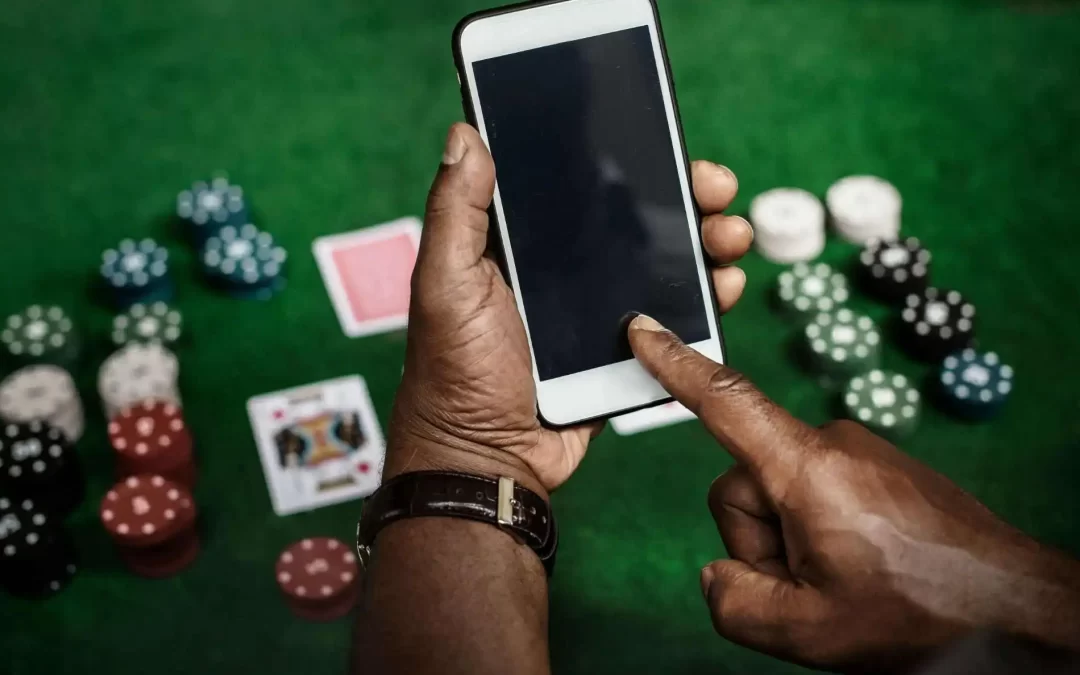
Poker game localization isn’t just swapping English chips for Spanish chips and calling it a day. If you want players in the US, UK, Europe, and the Middle East to actually stick around, you need to localize the rules, the feel, and the ecosystem around the tables.
The platforms that win take poker out of “one size fits all” mode. They adapt language, formats, payments, and promotions to how real players in each market actually play, pay, and talk about the game.
Why Poker Game Localization Decides Who Stays At The Table
Most teams think of poker game localization as a translation task. That’s why their churn spikes the moment they leave their home market. Players spot half-baked work in seconds: strange button labels, mistranslated hand names, or formats nobody in their country plays.

Serious operators treat poker platform localization as product design for a specific market. That means changing on-boarding flows, rake displays, tournament formats, and even how you explain bonuses so they match local expectations and regulations.
Get The Language Right Before You Touch The Lobby
Language is where trust is either built or broken. Good poker localization services don’t just translate; they work with native-speaking grinders, streamers, and community managers who know how people actually talk about the game.
At a minimum, you want native specialists for all interface text, cashier flows, help center content, push notifications, and marketing emails. You also need a workflow for constant updates, because promotions, seasonal events, and tournament series keep changing.
Translating Poker Terminology Without Killing The Jargon
Poker game translation gets tricky because poker already lives in a mix of English and local slang. Some markets keep “big blind” in English. Others demand a local term, and some use both depending on stakes and audience.
Build a term-base early: hand names, positions, actions, bet types, tournament formats, and cashier terms. Lock this down across product, support, and CRM so a new player doesn’t see three different words for the same thing.
Design Lobbies And Tables For Local Preferences
Once the words are handled, fix the lobby and table experience. This is where strong poker website localization separates itself from a fast skin with new flags slapped on.
Preferences vary more than most teams expect. Southern Europe tends to love jackpots and fast-fold tables. Parts of the Middle East lean toward private games and invite-only clubs. The US still has a heavy mix of casual players entering from sports-book or casino tabs.
Formats, Stakes, And Schedules That Actually Fit
Online poker localization should start from your traffic data and market research. What formats do local competitors push? What schedules are streamers highlighting? You don’t want your Sunday majors kicking off at 2 am for your main target region.
Adapt default filters, recommended games, and beginner tables so they surface what local players are most likely to click first. Small changes here move more revenue than a full design refresh.
UX Details That Matter More Than You Think
Good poker app localization pays obsessive attention to tiny UX details. Long strings in German break buttons. Arabic requires proper right-to-left layouts and mirroring. Some European languages need different number formats for blinds and stack sizes.
Test how bet sliders, pop-up dialogs, and multi-table layouts behave in each language. A clipped all-in warning or broken re-buy dialog is exactly the kind of thing a regulator screenshots and a player tweets.
Respect Culture, Law, And Payments In Every Market
You can’t talk about iGaming localization without talking compliance and culture. What’s allowed, what’s socially acceptable, and what payment methods people actually trust changes from one country to the next.
Ignoring this doesn’t just hurt conversion. It can kill your license application or trigger complaints that sit on the front page of local poker forums for months.
Messaging, Imagery, And Responsible Play
Poker platform localization has to respect local attitudes toward gambling. Some markets are comfortable with aggressive promotions. Others expect modest imagery, toned-down language, and prominent safer play tools.
Work with local legal and compliance teams to align age-gating, self-exclusion options, and bonus wording. Don’t let a global creative template drive campaigns that will be blocked on day one.
Localize Support, Content, And Community
Players judge you most harshly when something goes wrong. That’s why poker translation services must extend into customer support, dispute handling, and educational content, not just the menus the user sees on day one.
Native-speaking support for key time zones is non‑negotiable once you’re serious about a region. Auto-translated chat scripts feel fake, especially in higher-stakes communities where trust in the operator really matters.
Content That Actually Teaches And Retains
Poker content translation should cover FAQs, hand history guides, promo explainers, and basic strategy articles or videos. New players in each market arrive with different assumptions from local casino culture, home games, or influencer streams.
For some audiences you’ll need clearer explanations of rake and fees. For others you’ll focus more on tournament structure and late registration. Local partners can tell you where players are confused long before you see it in churn data.
Building A Scalable Poker Localization Workflow
Most teams start with one market, then bolt on more languages whenever a new partner or regulator asks for it. That’s how you end up with three different ways to say “Sit Out” across your gaming localization stack.
Plan for growth up front. That means a localization platform, shared glossaries, style guides, and a feedback loop from product managers, VIP hosts, and support in each key region.
Vendors, QA, And Ongoing Optimization
Choose partners that understand poker game translation, regulation, and real-money flows, not just generic app localization. Your QA plan should include play-through in each language, with real devices and real payment flows for deposits and withdrawals.
Track support tickets by language, by game type, and by device. If one country sends five times more tickets about verification or bonuses, that’s a signal your localization missed something important in that flow.
Conclusion
Serious poker game localization treats each market as its own product, with tailored language, formats, payments, and support built around how local players actually play. That approach keeps people at the tables longer and makes regulators more comfortable signing off on your growth.
If you’re ready to tighten up your global offering, bring in a specialist partner like PSP Languages to audit your current setup, close the gaps, and build a localization road-map that fits your next round of market launches.