Sports betting localization is what separates a sports-book that quietly bleeds international traffic from one that actually acquires, converts, and keeps players in new markets. Translation alone won’t do it; you’re adapting risk, culture, regulation, and live experiences all at once.
Roll out or scale a betting platform across the USA, UK, Middle East, or Europe. You need a clear plan for language, UX, odds display, promotions, and compliance that remains one coherent brand. This guide explains how to build a global product. It should feel local to every bettor who logs in.
Why Sports Betting Localization Is Different From Regular Translation
Sports-books live or die on trust, speed, and clarity. Sports betting translation must do more than convey basic language. A single mistranslated market, settlement rule, or promo condition can trigger disputes. It can lead to regulatory complaints.
Unlike a standard website, your content changes by the minute: live odds, in-play markets, and dynamic bet builders. Localization must plug directly into your feeds and tools. Do not rely on a manual spreadsheet that becomes outdated before kickoff.
Core Elements Of A Localized Betting Experience
A clean interface in the right language is only the start of proper betting website localization. Players need to instantly understand markets, stakes, and payouts in the format they’re used to, with no mental gymnastics.
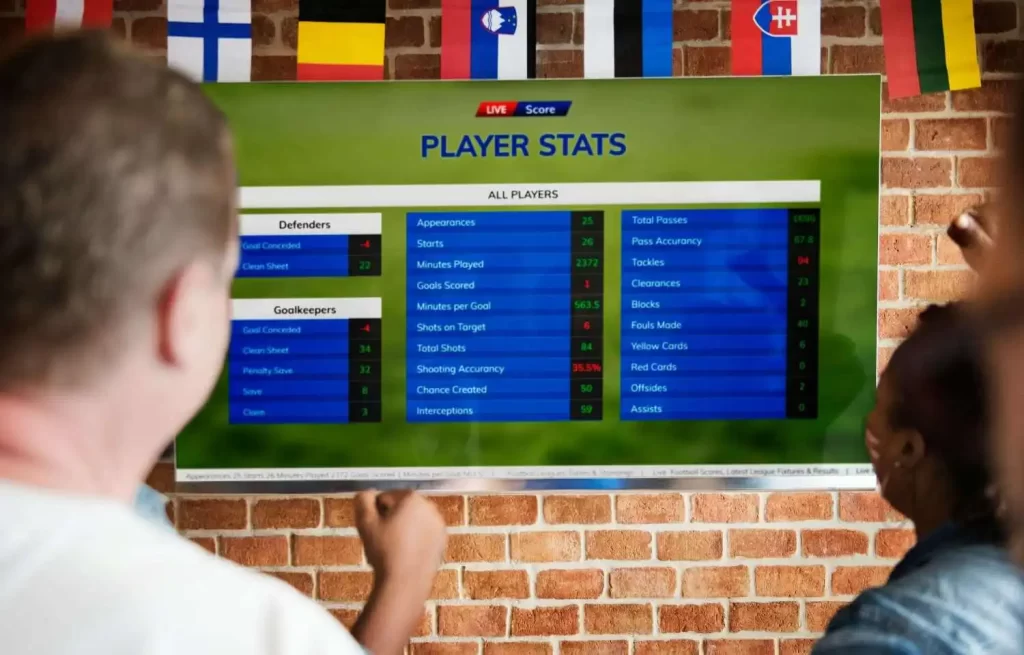
That means consistent treatment of odds formats, date and time formats, decimal separators, currencies, and localized naming for leagues and events so users can find what they expect without hunting.
Language, Tone, And Terminology
Getting the words right is about matching how real fans talk, not textbook phrasing. Good betting app localization reflects the slang and idioms of punters in London. Additionally, it captures slang and idioms used by football fans in Riyadh, or basketball bettors in New York. All must stay compliant and on-brand.
You also need strict term-bases and glossaries.
Odds Formats, Markets, And Display
Odds are a usability issue, not just a preference. In some countries, decimal odds are standard; in others, fractional or American odds rule. Smart sports-book localization lets players choose their familiar format and remembers it across sessions and devices.
Beyond the numbers, you may need to localize market availability and featured leagues. Also localize bet naming so your homepage does not push sports that register poorly with locals.
Payments, Currencies, And Trust Signals
Nothing kills conversion faster than a localized front end sitting on top of foreign-only payment options. Effective betting platform localization includes local payment rails and familiar wallets. It provides clear explanations of processing times and limits in the right language.
Visible licenses and region-specific responsible gaming messages can outweigh generic marketing in new markets. Locally recognizable security badges also matter.
Regulatory And Cultural Traps To Avoid
Expanding into multiple regions without tailored sports betting localization creates hidden risks. Misaligned age messaging occurs; consequently, promotions may become non-compliant. Offside cultural references backfire instead of engaging.
You can’t copy-paste UK-style football banter and bonus terms into the Middle East, or US-style parlay pushes into EU markets with tighter bonus advertising rules, and expect regulators—or players—to be happy.
Regulation: Words That Carry Legal Weight
In many jurisdictions, the exact wording of promotions, wagering requirements, and withdrawal conditions is as important as the mechanics themselves. This is where sports betting translation services need to work hand in hand with legal and compliance teams.
Set up a sign-off workflow where compliance reviews source text first, then local counsel validates key markets, and translators implement final approved phrasing instead of improvising under pressure.
Cultural Sensitivity And Responsible Gaming
Sports fandom looks different in Riyadh than in Manchester. Effective iGaming localization respects religious holidays, local taboos around imagery or sponsor-ships, and the way fans celebrate wins or deal with losses.
Responsible gaming language also needs cultural tuning—some markets respond better to firm, directive messaging, others to supportive, resource-focused content that feels more confidential.
Building A Scalable Localization Workflow
Once your first market launch is behind you, the real question is: can you repeat this quickly without chaos? That’s where structured betting localization services and a solid tech stack pay for themselves.
At a minimum, you need a translation management system that connects to your CMS and product, clear content ownership, and a realistic process for testing localized experiences before they go live on big match days.
From One-Off Projects To Continuous Localization
Sports betting content localization isn’t a quarterly project. New markets, live promotions, fresh landing pages, and reworks of compliance text mean you’re localizing in short bursts, all the time.
Teams that handle this well treat localization as part of product development: tickets in the same backlog, sprints aligned with release cycles, and translators looped into planning calls for key campaigns.
Choosing And Managing Language Partners
If you’re serious about global growth, you need partners who live and breathe betting, not generalists who translate car manuals on Monday and casino apps on Tuesday. Strong betting localization services bring subject-matter linguists, QA testers, and regional consultants.
Set clear KPIs: time to market, error rates in live markets, fewer customer service complaints tied to misunderstandings, and lift in local conversion rates after each iteration.
Technical Considerations For Localizing Betting Platforms
Smart architecture makes localization easier and cheaper over time. Poor architecture locks hard-coded text inside your apps and templates, turning every promo tweak into a developer ticket instead of a content update in a multilingual betting website.
Plan for expansion early: externalize strings, separate content from code, and support plural rules, gender, and right-to-left scripts so Arabic or Hebrew doesn’t require redesigning your entire interface.
Performance, Layout, And Right-To-Left Scripts
Middle Eastern markets bring language direction, typography, and even layout priorities that most European teams haven’t handled before. Thoughtful betting website localization will mirror key elements for RTL, but won’t blindly flip every control without testing.
Test live bet slips, cash-out flows, and sign-up forms on real devices in weak network conditions, because slow-loading localized assets quietly increase abandonment during peak traffic.
Data, Personalization, And Local Content
Localization isn’t just interface strings. Strong sports betting translation should extend to CRM emails, push notifications, help center content, and even tool-tips on complex markets like Asian totals or same-game parlays.
Use behavioral data by locale to adjust carousels, featured events, and default bet builders. A platform that surfaces the right content for Italian series A fans will look very different from one built around NFL Sundays.
Measuring The Impact Of Sports Betting Localization
Without hard numbers, localization gets treated as a “nice to have.” Tie sports betting localization work to clear KPIs: first-time deposit rate, deposit-to-bet conversion, bet slip abandonment, and long-term retention by language and market.
Run A/B tests when you can. For example, compare standard versus locally adapted promos, or test two versions of a complex market description to see which one leads to fewer support tickets and fewer voided bets.
Conclusion
Global growth in betting isn’t just about licenses and marketing budgets; sports betting localization turns those investments into products that real fans trust and come back to. Teams that take language, regulation, and culture seriously usually see cleaner acquisition, fewer disputes, and better lifetime value per player.
If you’re planning to expand or overhaul your platform, treat localization as a strategic feature, not a finishing touch, and consider partnering with specialists like PSP Languages to build a repeatable, data-led approach to sports betting localization that keeps working as new markets come online.